Our work
Latest updates from the labs
Action Against Cancer funds research carried out by various teams of dedicated scientists at Imperial College London, the University of Sussex and at the Professor Stebbing Cell and Molecular Biology Laboratory at Anglia Ruskin University Cambridge.
Highlights of their work from 2026 are outlined below.
Cancer stem cells
Many current cancer treatments affect both healthy and cancerous cells, which can lead to severe side effects such as fatigue, immune suppression, nerve damage, and long-term complications. This is especially challenging for patients with aggressive cancers.
A team at Imperial College London is designing an innovative new nanoparticle system to deliver drugs directly to aggressive cancer cells while minimising exposure to healthy tissue. This could allow more precise treatment, reduced side effects, lower drug doses and improved treatment responses.
They have successfully transported treatment particles from outside to inside the cancer cells by the nanoparticles in eight hours. By specifically targeting therapy-resistant cancer cell populations, this approach may also help prevent relapse and improve long-term disease control.
Developing a new drug - A totally new approach to therapy
The team at the University of Sussex working on this pioneering research programme published a paper in August 2026, which reveals a new way that the LMTK3 protein in controlled. They have discovered a specific "switch" on the protein that, when flipped by a chemical modification, changes how it interacts with itself, ultimately driving cancer cell growth and tumour formation.
By understanding and potentially blocking this switch, the study opens up a new avenue for developing therapies that could stop cancer from progressing.
Metastasis
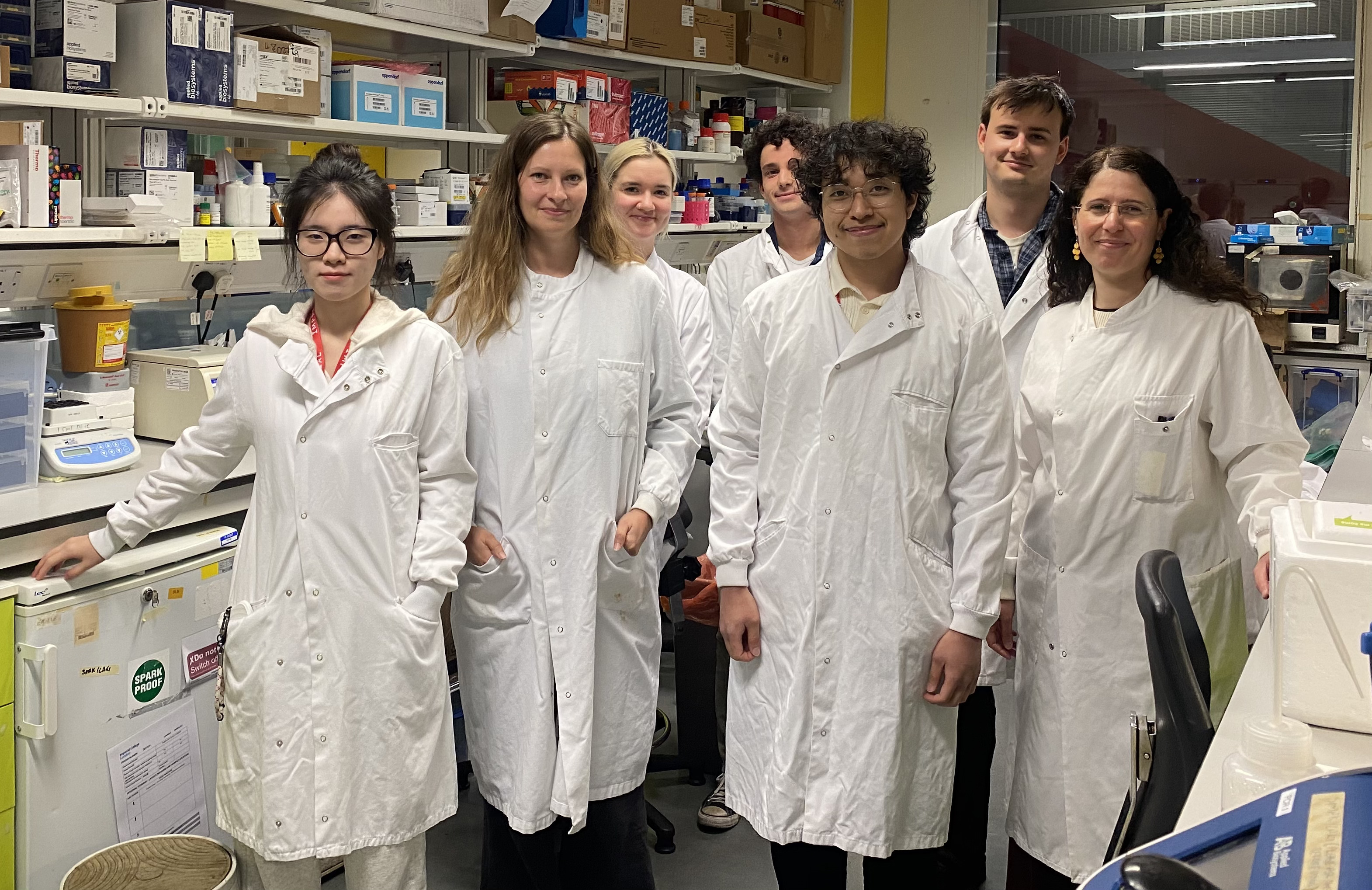
Metastatic breast cancer remains the leading cause of breast cancer-related deaths. Research by a team at Imperial College London (pictured) suggests that tumour progression is influenced not only by genetic mutations within cancer cells, but also by how these specific mutations affect immune responses.
Their findings show that the success of aggressive cancer clones depends strongly on the surrounding immune environment. While some mutations provide growth advantages, they can also trigger immune responses that restrict tumour expansion.
Understanding how cancer cells interact with and manipulate the immune system is essential for developing better treatments.
Genetic switches
Around 1 in 5 breast cancers are triple-negative (15 to 20%). This is one of the most aggressive and difficult-to-treat types of breast cancer. It tends to grow and spread faster, has fewer treatment options, and tends to have a worse prognosis.
A team at the University of Sussex is studying 'microRNAs,' tiny genetic molecules that can activate important cancer-causing genes. This will allow the development of new treatments supporting the immune system in attacking triple-negative breast cancer successfully, even in its advanced stages.
Drugs blocking microRNAs can be made quickly, act more precisely, and are much cheaper than current drugs, which take years to develop. This research could prolong and save many lives for years to come.
Understanding the cancer brain
The team at the Professor Stebbing Cell and Molecular Biology Laboratory at Anglia Ruskin University Cambridge published their first paper since the establishment of the lab. Published in the prestigious journal Nature, the paper focuses on the important but little understood question of how fat tissue talks to cancer cells.
The team aims to identify new molecules from fat cells that play a key role in the development and progression of cancer, to improve diagnosis and treatment for patients.
Some previous achievements in the labs:
- From 2025
- From 2024
- From 2023
- From 2022
- From 2021
- From 2020
- From 2019
- From 2018
- From 2017 (part two)
- From 2017 (part one)
- From 2016